ROBOTS BLEED… MED SCHOOL SHOCK
Seton Hall University faculty landed in The New York Times, USA Today, CNBC and more, with experts weighing in on medical simulation, school choice, New Jersey politics and Middle East conflict. The media blitz shows the university’s scholars shaping debates far beyond campus, where health care, law and war rhetoric keep colliding.
A campus in the spotlight
Subscribe


This Day in History
-
Paul Revere's Midnight Ride (1775)April 18, 2026
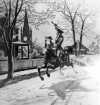 American patriot Paul Revere was a member of the Sons of Liberty and a participant in the Boston Tea Party, but he is chiefly remembered for his late-night horseback ride to warn the Massachusetts colonists that British soldiers were setting forth on the mission that, as it turned out, began the American Revolution. Two others also rode out with the news, but it is Revere who is celebrated as the midnight rider, despite having been captured before reaching his final destination. Why is this?
 American patriot Paul Revere was a member of the Sons of Liberty and a participant in the Boston Tea Party, but he is chiefly remembered for his late-night horseback ride to warn the Massachusetts colonists that British soldiers were setting forth on the mission that, as it turned out, began the American Revolution. Two others also rode out with the news, but it is Revere who is celebrated as the midnight rider, despite having been captured before reaching his final destination. Why is this?
Today’s Birthday
-
James McCune Smith (1813)April 18, 2026
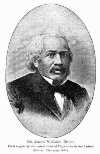 Smith was the first African American to obtain a medical degree and operate a pharmacy in the US. Denied admission to American colleges due to racial discrimination, he studied in Scotland, obtaining a series of degrees. After returning to New York, he became the first professionally trained black physician in the country. He wrote forcefully against common misconceptions and false notions about race, science, and medicine and once used statistics to refute what argument about slaves?
 Smith was the first African American to obtain a medical degree and operate a pharmacy in the US. Denied admission to American colleges due to racial discrimination, he studied in Scotland, obtaining a series of degrees. After returning to New York, he became the first professionally trained black physician in the country. He wrote forcefully against common misconceptions and false notions about race, science, and medicine and once used statistics to refute what argument about slaves?
Today’s Holiday
-
Zimbabwe Independence DayApril 18, 2026
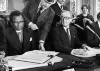 Like much of Africa, the area that is now Zimbabwe was long controlled by Europeans. In 1922, the 34,000 European settlers chose to become a self-governing British colony, Southern Rhodesia. In 1923, Southern Rhodesia was annexed by the British Crown. A fight for independence took place in the 1970s. An independent constitution was written for Zimbabwe in London in 1979, and independence followed on April 18, 1980. Independence Day is celebrated in every city and district of the nation with political rallies, parades, traditional dances, singing, and fireworks.
 Like much of Africa, the area that is now
 Article of the Day
-
The Percy-Neville FeudApril 18, 2026
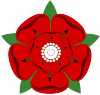 The Percy-Neville Feud was a string of skirmishes between two prominent northern English families and their followers that helped provoke the Wars of the Roses—a series of dynastic civil wars between supporters of the Houses of Lancaster and York in the 15th century. Six months after the Nevilles allied themselves with Richard, Duke of York—rival of the Lancastrian King Henry VI—the Percys met the Nevilles and the Duke in the first battle at St. Albans. What was the original reason for the feud?
 The Percy-Neville Feud was a string of skirmishes between two prominent northern English families and their followers that helped provoke the Wars of the Roses—a series of dynastic civil wars between supporters of the Houses of Lancaster and York in the 15th century. Six months after the Nevilles allied themselves with Richard, Duke of York—rival of the Lancastrian King Henry VI—the Percys met the Nevilles and the Duke in the first battle at St. Albans. What was the original reason for the feud?
Leave a Reply
You must be logged in to post a comment.